
Meet the people behind Akrami & Associates. For DUI-related travel, our team can help identify the records and immigration questions that need assessment before your trip.
Shabnam Akrami, PA, B.A. (HONS.), M.A., LL.B. (UK)
Managing Partner, Senior Immigration Consultant R510490
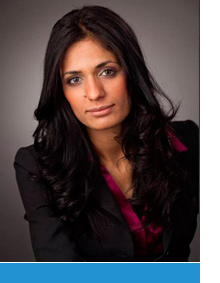
Shabnam Akrami is the Managing Partner and Founder of Akrami & Associates.
Prior to receiving her Paralegal Diploma with Honours, she completed her Law Degree from the UK at the University of London as well as completed a Post Graduate Diploma.
In addition, she has also graduated from York University where she received both her Bachelor in Criminology and Masters in Socio-Legal Studies.
Her professional profile lists immigration consultant number R510490. Read Shabnam’s profile on TheVisa.ca for further background.
Prior to opening her own firm, she gained extensive experience in corporate immigration law; specializing in work permits, temporary resident permits and rehabilitation cases.
Her immigration work includes temporary resident permits, criminal rehabilitation, work permits, permanent residence and sponsorship applications.
Shabnam is dedicated to all her clients and committed to the successful completion of all the immigration matters in her care.
Sean Azim, SEO
SEO, IT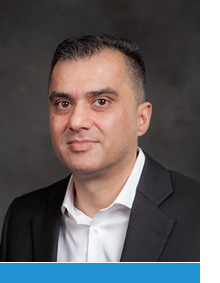 Sean Azim is the Search Engine Optimizer and I.T. expert at Akrami & Associates. He graduated from Seneca College with a Diploma in Computer Programming. Further, he received his General Arts and Science Pre-Business Certification through Trade and Apprenticeship studies at Seneca.
Prior to working with Akrami & Associates he worked at Viva Soft which is a business software development company. Sean worked there as a Programmer for two years.
Sean is committed to the expansion of Akrami & Associates through sound marketing and online strategizing. Further, he is always looking for ways to make the online client experience a smooth one.
George A.
Office Pet George is the office pet. He has received no formal education however is an extremely fast learner. Prior to joining Akrami & Associates, he was busy lounging around and watching for the mail man to come by.
He enjoys long walks in the park and playing fetch. When George is not sleeping or playing with other Associates, he can be found curled up on the couch.
George looks forward to greeting you with a smile and freely accepts any petting you may offer.
How to make the first conversation useful
A clear starting point helps the team understand the travel problem. Explain where you are travelling from, your citizenship, the intended dates and the reason for the visit. Mention whether you need one trip or expect regular visits to Canada. If a family emergency or business deadline is involved, say so at the outset.
Then provide a brief account of the criminal or immigration history. The incident date, final court outcome and sentence completion dates are more useful than an abbreviation alone. Tell us about other cases and any previous refusal, even if they seem unrelated to the trip you are planning now.
You do not need to guess answers when a document is missing. Identify what you know and what still needs confirmation. The introductory conversation can help establish which records are needed for a more detailed assessment.
What a detailed assessment should address
A DUI-related travel review may involve several separate questions. Does the foreign offence have a relevant Canadian equivalent? Does the final outcome create inadmissibility? Are the conditions for deemed or individual rehabilitation met? Is a temporary resident permit an appropriate option for the proposed journey?
The purpose of travel also matters. A business meeting, a performance, a work assignment and a family visit can raise different entry or authorization questions. Resolving the criminal history does not automatically authorize every activity in Canada, so describe the actual plans rather than relying on a job title.
The documents should support the analysis. Court dispositions, sentence orders and completion evidence serve a different purpose from an employer invitation or family letter. A well-organized file allows each question to be considered using the relevant evidence.
Working with the office during document collection
Keep copies of records in a folder with a simple timeline. Label each document by issuing authority, date and purpose. If a background check conflicts with a court order, flag the discrepancy rather than silently choosing the version that looks more favourable.
Ask which documents need to be certified or translated for the particular process before ordering unnecessary services. Requirements can depend on the application and the documents involved. Provide complete, readable pages rather than cropped extracts that omit a case number, signature or final order.
Use the appropriate intake channel for sensitive information. An initial website enquiry should describe the issue briefly; it does not need your full medical history or every personal identifier. The office can explain the next steps for providing the material required for a detailed review.
Understand the scope before starting representation
The free consultation is a short introductory call. A comprehensive legal assessment, preparation of an application or ongoing representation may require a separate engagement and fees. Ask what work is included, what documents you must provide and how government charges or other costs are handled.
No representative can guarantee a permit, rehabilitation approval or admission at the border. Canadian authorities make those decisions. A useful service focuses on accurate assessment, relevant evidence and clear communication about the available options and limitations.
Keep the office informed if your travel dates, court outcome or other circumstances change. A new charge, revised assignment or additional border refusal may affect advice based on the earlier information. Prompt updates help keep the work aligned with the actual situation.
Questions about contacting the team
Who should attend the introductory call?
The traveller should ideally be available to explain the history and proposed journey. A family member or assistant can help organize information, but should not guess facts that only the traveller can confirm.
Can I book before all records arrive?
Yes, an introductory discussion can help identify missing material. A final assessment may need to wait until the relevant court documents and completion evidence are available.
What should I ask about fees?
Ask about the scope of the proposed work, professional fees, government charges and any additional document costs. Obtain a clear understanding before proceeding with a paid service.
Discuss your travel plans
Explore our DUI entry services or contact the office. The free introductory call is 10 minutes; detailed assessment and representation may involve separate fees. Canadian authorities decide applications and entry.